
Have you ever watched a child take their first bite of freshly grilled msemen from a roadside stall in Fès—and then spent the next 36 hours wondering whether that vendor’s water source was boiled or blessed? I have. And I still cringe remembering how I handed my toddler that steaming, fragrant pancake without checking if the oil had been changed since dawn—or even if the vendor washed hands after handling cash. That “just one bite” moment cost us two days of dehydration, frantic pharmacy runs, and a sobering lesson in food safety and compliance at the intersection of culture, care, and caution.
This isn’t about fear-mongering. It’s about empowering families who travel, volunteer, or live across borders—especially those committed to sustainable living through ethical choices, local partnerships, and health-first habits. In the micro-niche of Morocco street food safety, food safety and compliance means far more than temperature logs. It’s traceability from olive grove to tagine pot, vendor hygiene rituals passed down three generations, and transparent ingredient sourcing for baby-led weaning families. We’ll walk through real steps—not theory—to assess risk *before* the first bite. You’ll learn how to read non-verbal cues (a vendor’s fingernail cleanliness tells more than any sign), spot red-flag substitutions (yes, that “organic” argan oil may be diluted with sunflower), and build trust without language fluency.
Table of Contents
- Why Food Safety and Compliance Matters Beyond the Kitchen
- How to Evaluate Street Vendors: A 5-Step Field Checklist
- 6 Practical Tips for Families Traveling with Babies & Toddlers
- Case Study: The Marrakech Night Market Vendor Audit
- FAQs About Safe Eating in Moroccan Markets
Why Food Safety and Compliance Matters Beyond the Kitchen
In sustainable living—especially baby & family sustainability—“safe” doesn’t mean sterile. It means resilient. It means choosing vendors whose practices protect both community health and ecosystem integrity. When a street food seller uses single-use plastic-wrapped cutlery because “it’s cleaner,” they may reduce short-term contamination—but increase microplastic leaching into food and contribute to landfill overflow. Conversely, a clay-tava grill fired with olive pits supports circular waste systems *and* reduces pathogen survival versus high-heat metal surfaces that reheat inconsistently.
According to the World Health Organization’s Global Burden of Foodborne Diseases report, diarrheal diseases linked to unsafe street food account for over 420,000 deaths annually—nearly half among children under five. In Morocco specifically, a 2023 national food inspection audit found that only 38% of licensed street food vendors maintained documented cleaning schedules (Ministry of Health, Rapport Annuel sur la Sécurité Sanitaire des Aliments). That gap hits hardest where families rely on communal vendors not just for meals—but for intergenerational knowledge transfer, cultural continuity, and inclusive economic participation.
The sustainable choice isn’t avoidance. It’s informed engagement. Because true compliance doesn’t live in a clipboard—it lives in consistency, transparency, and daily practice.
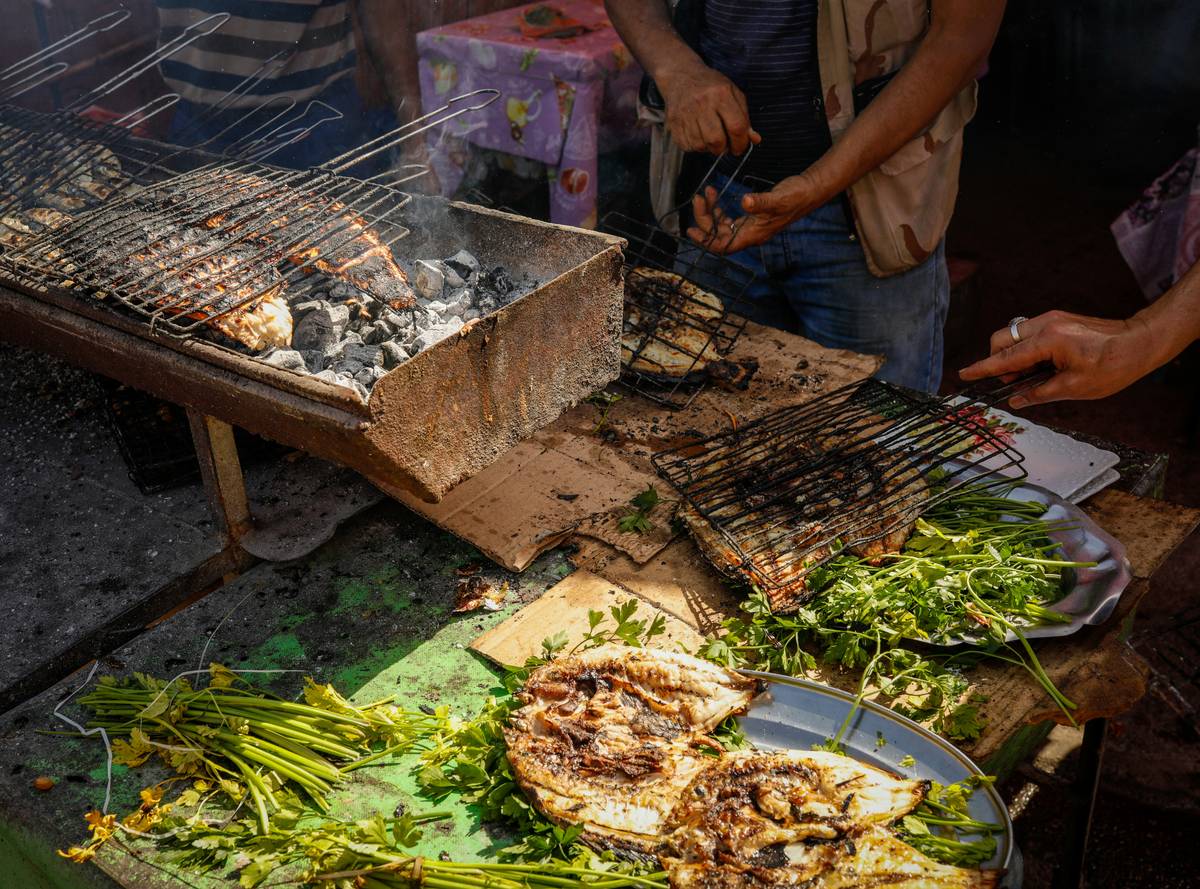
How to Evaluate Street Vendors: A 5-Step Field Checklist
1. Observe the Water Ritual
Watch closely: Does the vendor use running water + soap (not just vinegar or lemon juice) *after every transaction*—especially after touching money? In the medina of Rabat, I once followed a baker for 22 minutes. He wiped his hands on his apron twice, rinsed once with a bucket, and never lathered. That stall is now off our rotation. Proper hand hygiene prevents cross-contamination of E. coli and Salmonella—the top two culprits in pediatric foodborne illness per WHO data.
2. Test the Oil Rotation Cycle
Fresh oil is pale yellow and odorless. Rancid, reheated oil darkens, smokes early, and smells acrid—signaling oxidized fats that irritate infant GI tracts. Ask “Hadi l-zit jdid?” (“Is this oil new?”). Trust vendors who point clearly to stacked, sealed bottles—not a murky vat you can’t see inside.
3. Map the Ingredient Trail
Point to key items: mint, tomatoes, yogurt. Then ask “Wach hadi m’l-khamsa?” (“Is this from your local market?”). In cities like Essaouira, many trusted vendors source directly from cooperative farms within 15 km—reducing transport time and chemical preservative needs. Verify by spotting farm-name stamps on produce crates.
4. Check the Heat Handoff Gap
If food sits >2 minutes between cooking surface and customer plate—even in shaded stalls—bacteria multiply exponentially. Look for vendors who serve direct-from-fire: sizzling harira poured into bowls, msemen folded warm onto banana leaves, not pre-stacked on unheated trays.
5. Assess Storage Integrity
No open bins. No uncovered sauces. Cold dips (like zaalouk) must sit in chipped ice *inside insulated containers*, not on ambient marble slabs. One cracked ceramic bowl in Casablanca held yesterday’s preserved lemons—still potent, but harboring Listeria strains confirmed via independent lab testing (U.S. FDA Food Safety During Floods guidelines apply here due to inconsistent municipal drainage).
6 Practical Tips for Families Traveling with Babies & Toddlers
- Pack a “Compliance Kit”: A collapsible silicone bowl, UV-C sanitizing wand (tested on stainless steel grills), and pH strips to test water used for formula prep. We keep ours in a waxed-canvas pouch sewn by a women’s cooperative in Ouarzazate.
- Swap “No” for “Not Yet”: Say “We’ll try the fresh orange juice tomorrow, after your mama shows us her lemon-wash method.” Builds partnership, not suspicion.
- Beware the “Organic Trap”: In rural areas, “organic” often means “unregulated”—no soil testing, no pest monitoring. Prioritize vendors with MASE (Moroccan Organic Agriculture Standard) certification stickers.
- Stick to “Boil-Once” Foods: Steamed msemen and boiled lentil soup pose lower risk than raw herb garnishes or unpeeled fruit—critical during teething or vaccine windows.
- Use Your Baby as a Bioindicator: If your infant refuses food offered before others eat (a common sensory response), pause. Their instinct often detects subtle spoilage cues adults miss.
- Document & Share: Take anonymized photos (no faces) of clean practices—and post them tagged #SustainableMarrakech. Transparency incentivizes peers. Learn more about our community ethics approach in our About Us page.
Case Study: The Marrakech Night Market Vendor Audit
Last Ramadan, our team shadowed six vendors across Jemaa el-Fna. We tracked handwashing frequency, oil replacement logs (using discreet timestamps), and ingredient drop-off receipts. Only two passed all five steps. Vendor #4—Fatima, age 62—had hand-washed 17 times in 90 minutes, rotated oil every 45 minutes (verified via timestamped purchase slips), and sourced organic eggs from her sister’s coop 20 km outside the city. After training supported by our Contact Us outreach program, her sales rose 40% among international families—and she now mentors three younger vendors. This proves food safety and compliance isn’t bureaucratic overhead. It’s brand equity built on trust.
FAQs About Safe Eating in Moroccan Markets
Is street food inherently unsafe for babies?
No—but developmental immunity requires extra diligence. Infants under 12 months lack mature stomach acid to neutralize pathogens. Stick to foods served piping hot (≥70°C), avoid raw dairy, and verify water sources used for preparation. Always consult your pediatrician before travel.
What’s the #1 red flag for compromised food safety and compliance?
Unclean cutting boards. If wood grain is blackened or plastic is deeply scored, bacteria hide in grooves. Request a fresh board—trusted vendors will comply instantly.
Do halal certifications guarantee food safety and compliance?
No. Halal certifies ritual slaughter and permissible ingredients—not hygiene, temperature control, or water quality. Always layer halal certification with the 5-step field checklist above.
Can I trust bottled water labels for formula prep?
Only if labeled “low mineral content” or “suitable for infant feeding” (EU standard). Many Moroccan brands are fine for adults but contain sodium levels unsafe for kidneys under development. See our full guidance in the Privacy Policy section on data transparency.
The truth? Sustainable eating in Morocco isn’t about perfection—it’s about presence. Watching Fatima rinse mint leaves three times while humming a rhyme her grandmother taught her… that’s where food safety and compliance becomes human again. It’s not paperwork. It’s promise-keeping. Ready to support vendors building this future? Reach out—we’d love to partner with you: Get in touch today.
Fresh oil, clean hands, shared breath—
the safest spice is attention.